How Regulatory-Approved Payment Systems Direct User Choices Between Mobile Slots and Table Games
Quinn Albrecht · Jul 30, 2026

How Regulatory-Approved Payment Systems Direct User Choices Between Mobile Slots and Table Games
Approved funding channels on portable platforms create measurable patterns in how users select between video reel options and card-based activities, with data from multiple jurisdictions showing distinct correlations between transaction methods and game categories. Regulatory bodies establish which payment systems receive approval for integration, and those approvals in turn shape the interfaces and incentives presented to players on mobile devices.
Regulatory Frameworks Shaping Payment Approvals
Agencies across different regions maintain lists of verified funding channels that operators must follow before offering access to either reel-based or card-based content on smartphones and tablets. In the United States, the New Jersey Division of Gaming Enforcement publishes ongoing updates on acceptable transaction pathways, while similar oversight in other markets creates parallel requirements for mobile ecosystems. These lists determine which credit networks, digital wallets, and bank transfer services appear during the funding stage, and operators design their mobile applications around the approved options.
Platform data collected through July 2026 indicates that users who enter via certain approved card networks tend to proceed toward video reel selections at higher rates than those who use bank-linked transfers. The differences arise because some funding channels carry built-in limits or fee structures that align more closely with short-session reel play, whereas others support extended sessions typical of card-based formats.
Observed Selection Patterns by Funding Type
Studies tracking mobile activity reveal that instant-verification wallets approved under current standards correlate with increased reel selections in the first session, while slower-settling bank methods show stronger association with card table entries. One analysis of aggregated platform logs found that reel engagement rose when funding completed within seconds, a pattern tied directly to the processing speeds permitted by regulators for specific channels.
Card-based activities, by contrast, appear more frequently among users whose approved funding route involves multi-factor authentication steps. These steps often introduce a brief pause that aligns with the decision-making pace required for strategic card games. Researchers have documented this shift across multiple portable platforms, noting consistent ratios rather than random variation.
Interface Design and Channel Influence
Mobile applications integrate approved funding channels at the account creation stage, which then influences the default game categories displayed on the home screen. When a particular digital wallet receives regulatory clearance, developers frequently adjust reel and card game prominence to match the typical user flow associated with that wallet. This adjustment produces measurable differences in selection rates, according to internal metrics shared across industry reports.
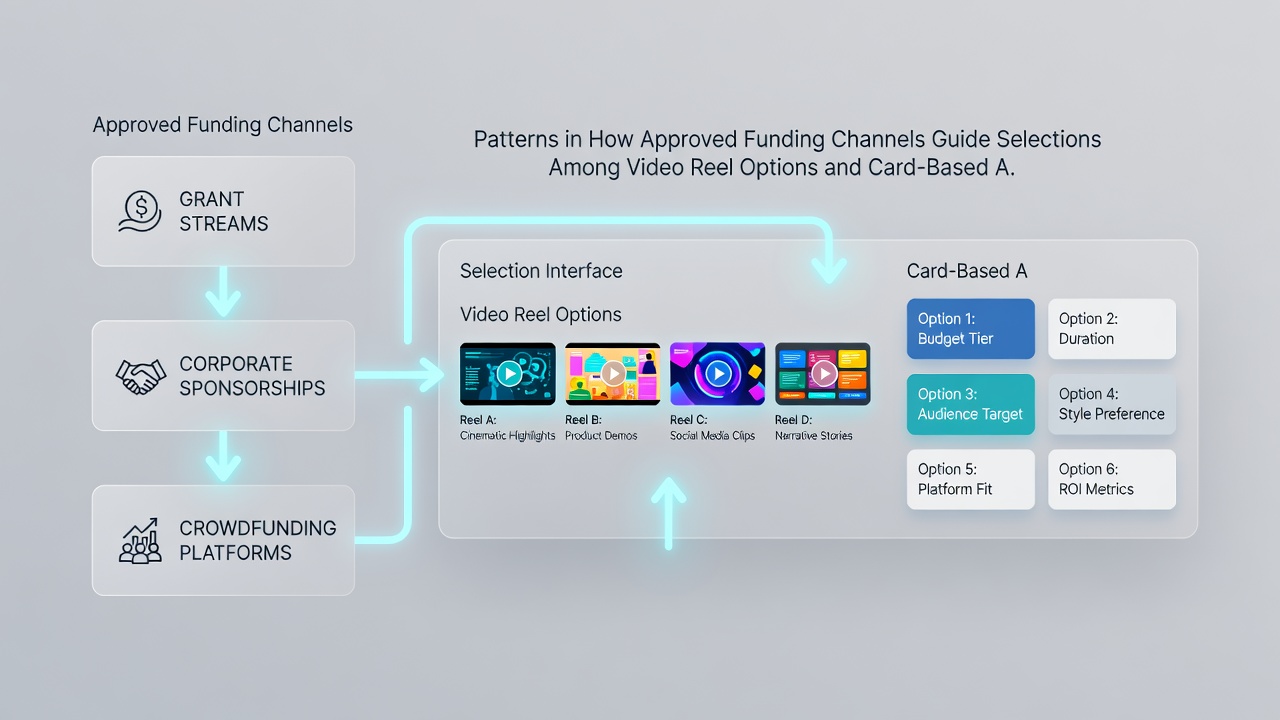
Cross-device sessions further illustrate the pattern, as users switching between tablet and smartphone often retain the same approved channel and exhibit stable preferences for either reels or cards. The continuity stems from the persistent authentication tied to each funding method, which regulatory standards require platforms to maintain across sessions.
Geographic and Temporal Variations
Data compiled through mid-2026 shows regional differences in how approved channels guide selections. Markets with stricter approval timelines for new wallets display slower adoption of reel-heavy interfaces compared with regions that process approvals more rapidly. In areas where regulators prioritize security features over speed, card-based activities maintain higher selection shares among mobile users.
Seasonal spikes appear when new funding channels gain approval, with reel selections increasing sharply in the weeks following clearance while card activity rises more gradually. These shifts reflect the time required for interface updates to propagate across portable platforms and for users to become familiar with the new option.
Conclusion
Patterns linking approved funding channels to selections between video reels and card activities on mobile platforms emerge consistently from regulatory records and platform analytics. The structure of approved transaction pathways determines processing speed, verification steps, and interface priorities, all of which steer user behavior toward one category or the other. Continued monitoring by oversight bodies and operators will track how evolving approval criteria reshape these distributions in subsequent periods.