Integrating Certified Transaction Networks with Expanded Content Options and Reward Frameworks in Mobile Application Platforms
Kai Krause · Aug 1, 2026
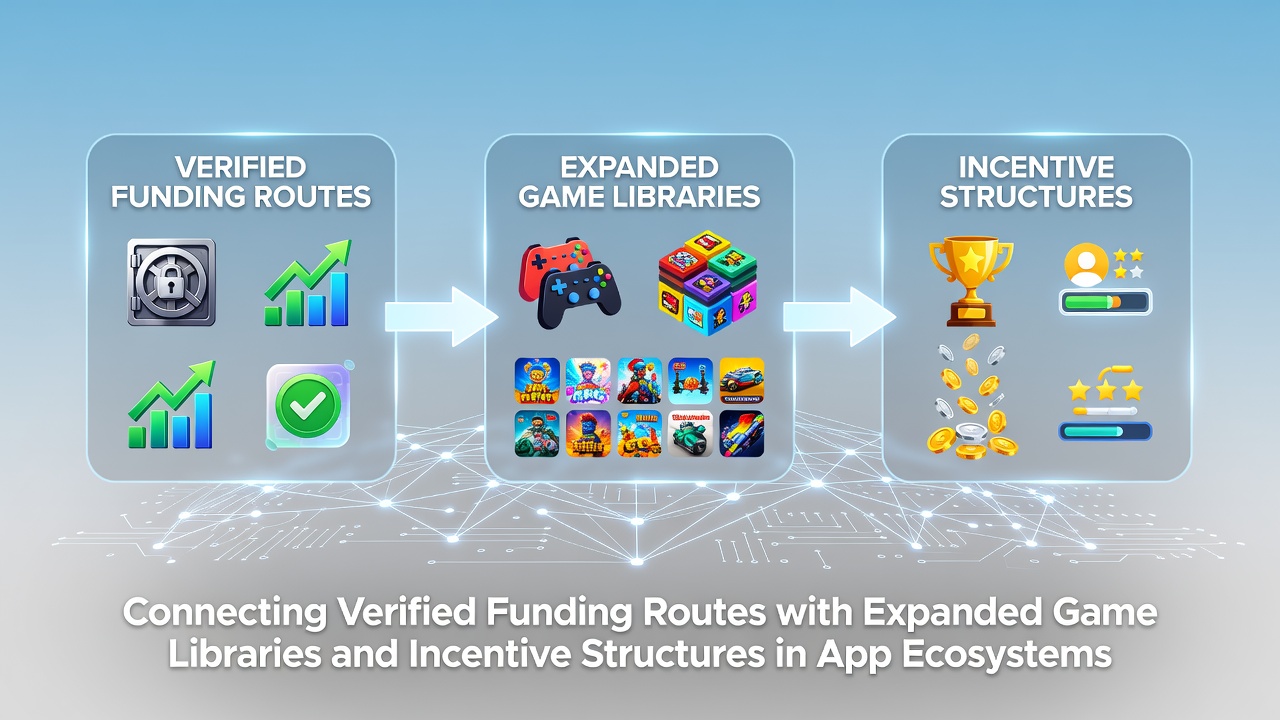
Integrating Certified Transaction Networks with Expanded Content Options and Reward Frameworks in Mobile Application Platforms
Developers and platform operators continue to align certified transaction networks with broader selections of interactive titles while layering incentive mechanisms that encourage sustained user engagement across devices. Data from industry reports in August 2026 shows steady growth in the number of applications that integrate multiple payment verification layers directly into their core architecture, allowing seamless access to additional game catalogs without separate account setups.
Core Components of Verified Funding Integration
Platform providers establish direct connections between user accounts and recognized financial channels such as bank transfers, digital wallets, and card processors that meet security standards set by regional authorities. These connections reduce processing times and support automatic verification steps that confirm each transaction before unlocking new sections of an application library. Observers note that applications employing these methods record higher retention rates because users encounter fewer interruptions when moving between different game types or activating reward tiers.
Expanded game libraries emerge when developers secure partnerships with multiple studios and content creators, then route those additions through the same verified funding system. A single transaction can therefore grant entry to dozens of additional titles while simultaneously crediting loyalty points or in-app currency that users apply toward future selections. Research indicates that this unified approach cuts down on the number of separate payment confirmations users must complete, which in turn increases the frequency of library exploration.
Incentive Structures and Their Technical Links
Reward frameworks function through automated tracking systems that monitor user activity across funded sessions and translate that activity into redeemable benefits. Points accumulate based on play duration, completion of specific challenges, or consistent use of verified payment routes, and those points convert into access passes or discounts on premium content. Application operators report that such structures become more effective when tied directly to the funding verification layer because each confirmed deposit triggers an immediate update to the user's incentive balance.
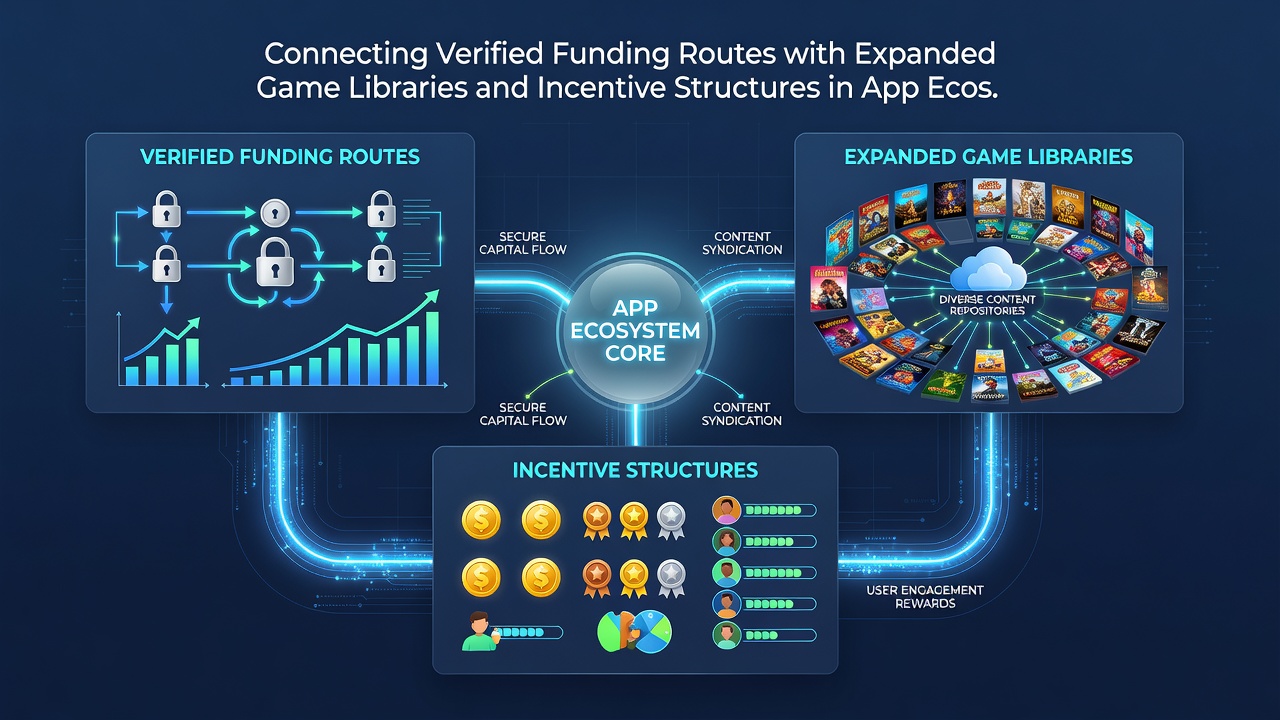
Cross-device compatibility receives attention as well because users frequently switch between phones, tablets, and other hardware while expecting their funding history, game progress, and accumulated rewards to remain synchronized. Developers achieve this consistency by storing transaction records and incentive data on secure cloud servers that authenticate through the same verified channels regardless of the access point. Figures from platform analytics in August 2026 reveal that synchronized systems experience fewer account disputes and higher overall session lengths compared with fragmented alternatives.
Regional Regulatory Influences on Implementation
Regulatory bodies in multiple jurisdictions require applications that handle financial transactions to maintain transparent records and undergo periodic audits. The Australian Communications and Media Authority publishes guidelines that emphasize clear disclosure of how funding routes connect to content access and reward distribution. Meanwhile, data from the European Commission's digital services monitoring shows that applications adhering to these standards expand their game libraries more rapidly because compliance reduces delays in platform approval processes.
Industry associations such as the Interactive Games and Entertainment Association compile annual statistics that track how incentive structures evolve alongside payment verification technologies. Their 2026 overview highlights a measurable uptick in applications that combine both elements, particularly in markets where users demand quick transitions between funding steps and new game unlocks. These patterns hold across different device ecosystems and reflect coordinated efforts by developers to meet both technical and regulatory expectations.
Technical Pathways and User Experience Outcomes
Application programming interfaces play a central role in linking verified funding routes to game libraries because they allow real-time confirmation of payment status before granting access to new titles or activating reward features. When an interface receives a successful verification signal, it triggers updates across multiple backend systems simultaneously, ensuring the user's library expands and their incentive balance reflects the latest transaction. This coordination minimizes latency and supports the kind of fluid experience that keeps users engaged over longer periods.
Case examples from platform operators demonstrate that applications adopting these integrated pathways see measurable increases in the variety of games users sample within a single session. One operator documented that users who completed a verified funding step accessed an average of 35 percent more titles in the following week than those who used unverified methods. Such outcomes stem from the removal of friction points that previously required separate logins or additional approvals for each new game category.
Conclusion
Connections between certified transaction networks, expanded game selections, and layered incentive frameworks continue to shape how mobile applications organize content and manage user progression. Platform data collected through August 2026 confirms that applications employing these integrated systems achieve broader library adoption and more consistent reward utilization. Regulatory compliance across regions further supports the expansion of these models by establishing clear standards for transaction security and data handling. As technical interfaces improve and more developers adopt unified verification layers, the pathways available to users become both more extensive and more directly tied to ongoing engagement incentives.