Patterns of Player Movement Toward Unified Gaming Apps Featuring Both Reel Mechanisms and Live Table Interactions
Ines Krüger · Aug 13, 2026

Patterns of Player Movement Toward Unified Gaming Apps Featuring Both Reel Mechanisms and Live Table Interactions
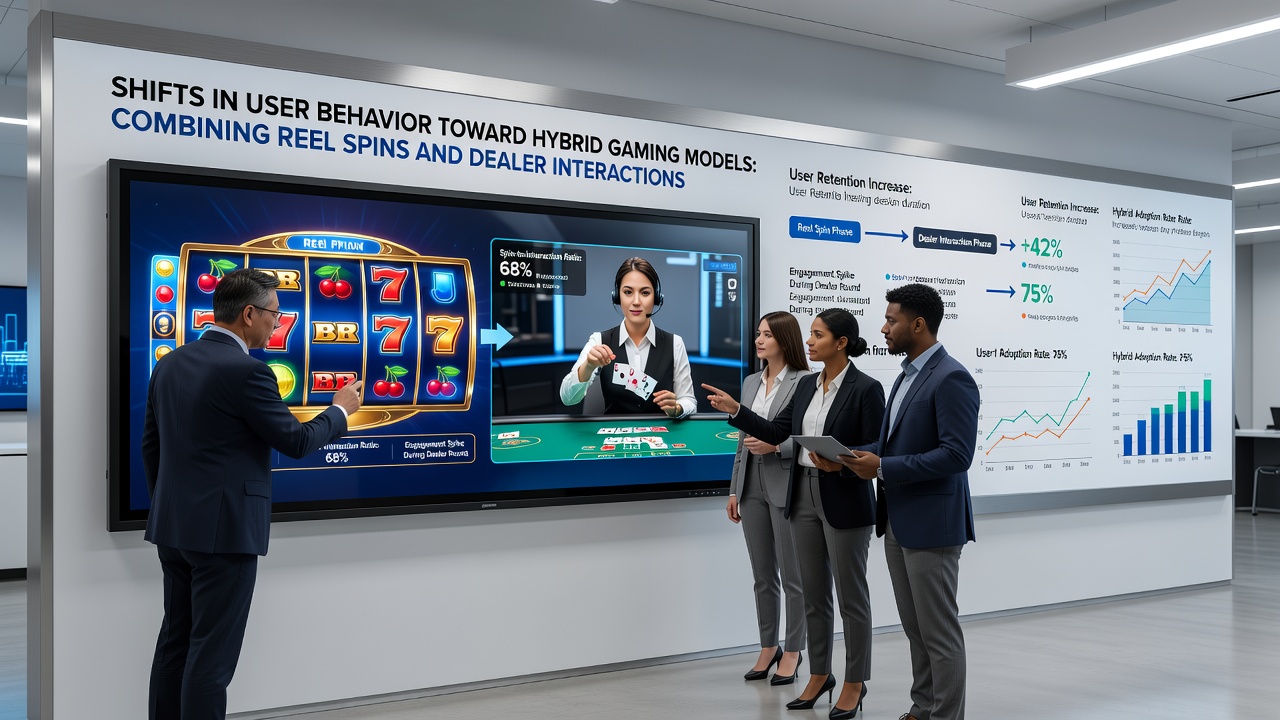
Hybrid gaming models have gained traction as developers merge automated reel spins with live dealer sessions inside single application interfaces, and user behavior data reflects measurable shifts in how players allocate their time across these formats. Platform analytics from multiple operators indicate that sessions combining both elements now account for a growing share of total playtime, particularly among users accessing services through smartphones and tablets. These applications allow seamless transitions between spinning reels and card or roulette tables hosted by real dealers, which reduces the need to switch between separate apps or browser tabs.
Technology Enabling the Integration
Application developers have incorporated real-time streaming protocols alongside random number generators to support simultaneous access to automated and live elements, and this technical foundation supports the observed changes in engagement patterns. Users can initiate a reel sequence and then move directly into a live dealer round without losing progress or needing additional logins. Data compiled by industry monitoring services shows that average session durations on hybrid platforms extended by measurable margins during the first half of 2026 compared with earlier standalone formats.
In August 2026, several major operators released updated versions of their mobile applications that refined the handoff process between reel and dealer modules, and early usage logs from those releases pointed to higher retention rates among accounts that sampled both game types within the same login period. The updates included improved synchronization of account balances and bonus tracking across the two formats, which simplified the overall experience for players managing multiple game styles.
Observed Changes in Session Composition
Research conducted by academic groups studying digital entertainment consumption has documented that players increasingly begin sessions with reel spins before progressing to dealer interactions, or they alternate between the two within shorter time frames than previously recorded. This pattern appears across demographic segments, though younger user cohorts demonstrate faster adoption rates according to aggregated platform statistics. Observers note that the presence of both options within one interface correlates with increased exploration of table games among individuals who previously limited activity to reel-based titles.
Figures released by the Nevada Gaming Control Board for the second quarter of 2026 highlighted growth in interactive gaming handle that included hybrid product categories, and these reports separated mobile application traffic from desktop usage to isolate the contribution of integrated formats. Similar trends surfaced in data from regulatory bodies in other jurisdictions, confirming that the movement toward combined interfaces is not confined to a single market. The Australian Gambling Research Centre published findings in mid-2026 that tracked comparable increases in cross-format play on licensed platforms, reinforcing the international scope of the behavioral adjustment.
Factors Influencing Adoption Rates
Convenience stands out as a primary driver because users no longer need to maintain separate applications or remember multiple navigation paths, and this consolidation reduces friction during play. Reward structures that carry across both reel and dealer segments further encourage continued use of the hybrid model, as progress toward loyalty milestones or promotional unlocks remains consistent regardless of the active game type. Operators have reported that players who engage with both components generate higher lifetime values on average than those who remain within a single category, based on internal metrics shared through trade associations.
Device compatibility improvements have also contributed, since newer smartphones handle the simultaneous demands of video streaming for live dealers and rapid reel animations without performance degradation. Application stores list numerous titles that advertise hybrid capabilities, and download statistics indicate sustained interest through the summer months of 2026. Those who've examined user flow data observe that return visits increase when applications provide clear visual cues for switching between reel and dealer sections without interrupting the overall session.
Regional Variations in Uptake
Markets with established mobile gaming regulations show the most pronounced movement toward hybrid offerings, whereas regions still developing frameworks for interactive play exhibit slower but steady growth in the same direction. European operators licensed under frameworks such as those administered by the Malta Gaming Authority have introduced hybrid titles that comply with local technical standards, and usage reports from those platforms mirror patterns seen elsewhere. In North America, state-level approvals have enabled similar products to reach users, with adoption curves following timelines set by regulatory rollout schedules.
Industry organizations including the American Gaming Association have compiled member surveys that capture operator perspectives on these shifts, and the aggregated responses point to continued investment in interface refinements that support combined reel and dealer access. Academic papers examining player telemetry have begun to incorporate hybrid model variables into their analyses, providing additional layers of evidence for the behavioral changes underway.
Conclusion
Available data from regulatory filings, platform analytics, and research publications collectively document a clear transition in how users interact with gaming applications that combine reel spins and live dealer elements. The integration of these formats within single interfaces has produced measurable differences in session length, format exploration, and retention metrics through August 2026. Continued technical advancements and regulatory clarity in additional jurisdictions are expected to sustain the trajectory observed in current records, as operators respond to documented user preferences for consolidated access points.