Regulatory Pathways Directing Classic Card Integration into Portable Casino Platforms
Ellis Walter · Aug 15, 2026
Regulatory Pathways Directing Classic Card Integration into Portable Casino Platforms
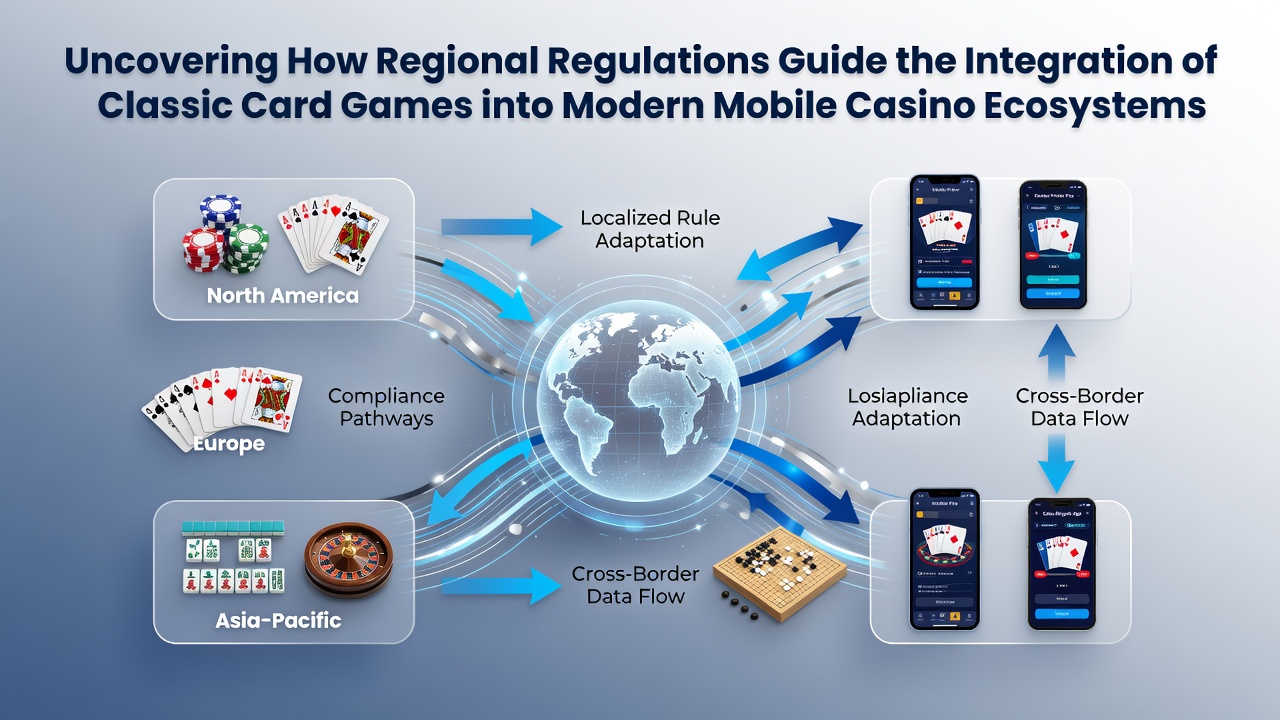
Regional regulations establish clear parameters for bringing games such as blackjack and poker into mobile casino environments, with each jurisdiction imposing distinct licensing, technical, and consumer protection requirements that developers must satisfy before launch. Authorities in North America and Europe maintain separate frameworks that address player verification, game fairness, and data security while allowing operators to adapt traditional card mechanics to touchscreen formats. Data from state gaming agencies shows that compliance timelines vary significantly depending on the specific rules governing remote wagering.
North American State and Provincial Approaches
State-level oversight in the United States requires mobile platforms to integrate card games through licensed software providers that undergo rigorous testing for random number generation and payout accuracy. New Jersey's Division of Gaming Enforcement maintains certification standards that mandate real-time reporting of player activity, forcing developers to embed audit trails directly into blackjack and poker applications. Canadian provinces apply similar technical mandates, with Ontario's iGaming framework requiring geofencing and age verification layers that activate before any card game session begins. These layered controls ensure that classic game rules remain intact while mobile interfaces accommodate variable screen sizes and touch controls.
European Union and National Standards
European regulators coordinate through directives that emphasize responsible gaming features alongside technical interoperability across member states. National bodies in Malta and Sweden enforce rules that require mobile card platforms to display session time limits and deposit caps within the game interface itself. Observers note that these provisions influence how poker tournaments transition from live tables to digital formats, because operators must embed responsible gaming prompts without disrupting gameplay flow. Compliance reports released in August 2026 indicate that platforms meeting both EU and national criteria achieve faster market entry in multiple countries simultaneously.
Asia-Pacific and Australian Requirements
Australian state regulators impose strict advertising restrictions and mandatory loss-limit tools that shape how card game applications reach users on mobile devices. The Northern Territory Racing Commission requires operators to verify player location through IP and GPS cross-checks before allowing access to digital blackjack tables. Similar location-based rules appear in several Asian markets where governments permit limited mobile gaming under controlled pilot programs. Industry reports show that these geographic constraints push developers to create modular code bases that can activate or deactivate features depending on the user's detected region.
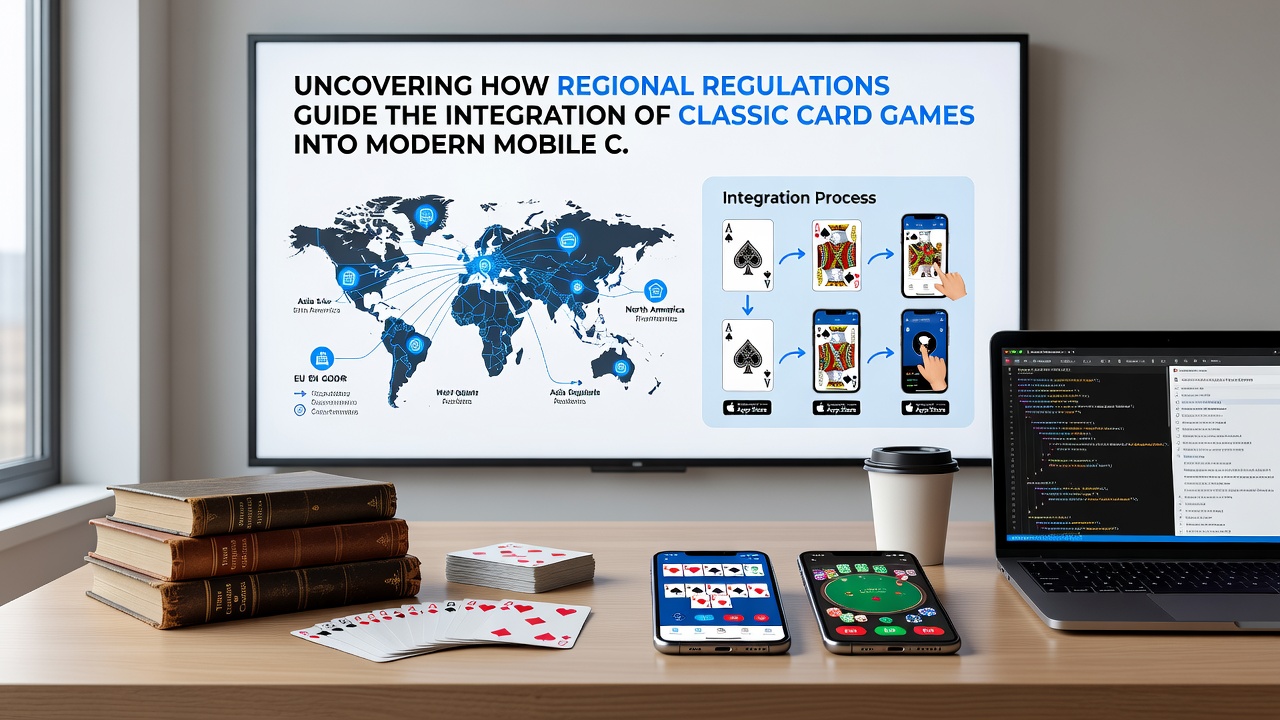
What's interesting is how these regional differences create distinct user experiences even when the underlying card rules stay identical. One developer who built a multi-jurisdiction platform discovered that adding jurisdiction-specific overlays for verification messages extended testing cycles by several weeks, yet the same code base could serve markets once approvals cleared. Researchers tracking adoption patterns found that platforms incorporating automatic regulatory updates through cloud services reduced downtime during rule changes.
Technical Adaptations and Compliance Mechanisms
Developers routinely embed jurisdiction-aware logic that adjusts game parameters such as maximum bet sizes or tournament structures according to local statutes. Certified testing laboratories evaluate these conditional features to confirm they activate correctly across different mobile operating systems. Figures from gaming associations reveal that successful integrations often rely on modular design patterns, allowing operators to swap compliance modules without rewriting core card game engines. This approach proves especially useful when regulators issue mid-year updates that affect data retention periods or transaction logging formats.
Future Outlook for Cross-Border Operations
Cooperation agreements between certain regulators facilitate smoother expansion for operators holding multiple licenses. Data shared through international forums indicates that standardized technical specifications for game fairness reduce redundant testing when the same card title moves from one approved market to another. Those who monitor policy developments expect continued emphasis on player protection tools that integrate directly into mobile interfaces rather than existing as separate applications. As of August 2026, several jurisdictions have signaled interest in harmonizing verification protocols, which could streamline future rollouts of classic card titles across borders.
Conclusion
Regional regulations continue to define the boundaries within which classic card games enter mobile casino ecosystems, requiring operators to balance technical innovation with strict adherence to local licensing and consumer safeguards. The resulting adaptations preserve game integrity while satisfying diverse oversight bodies across North America, Europe, and the Asia-Pacific region. Continued monitoring of policy shifts will determine how quickly new card game titles reach users on portable platforms in coming months.