Secure Transaction Networks and Their Role in Broadening Portable Casino Game Selections
Ellis Walter · Jul 16, 2026
Secure Transaction Networks and Their Role in Broadening Portable Casino Game Selections
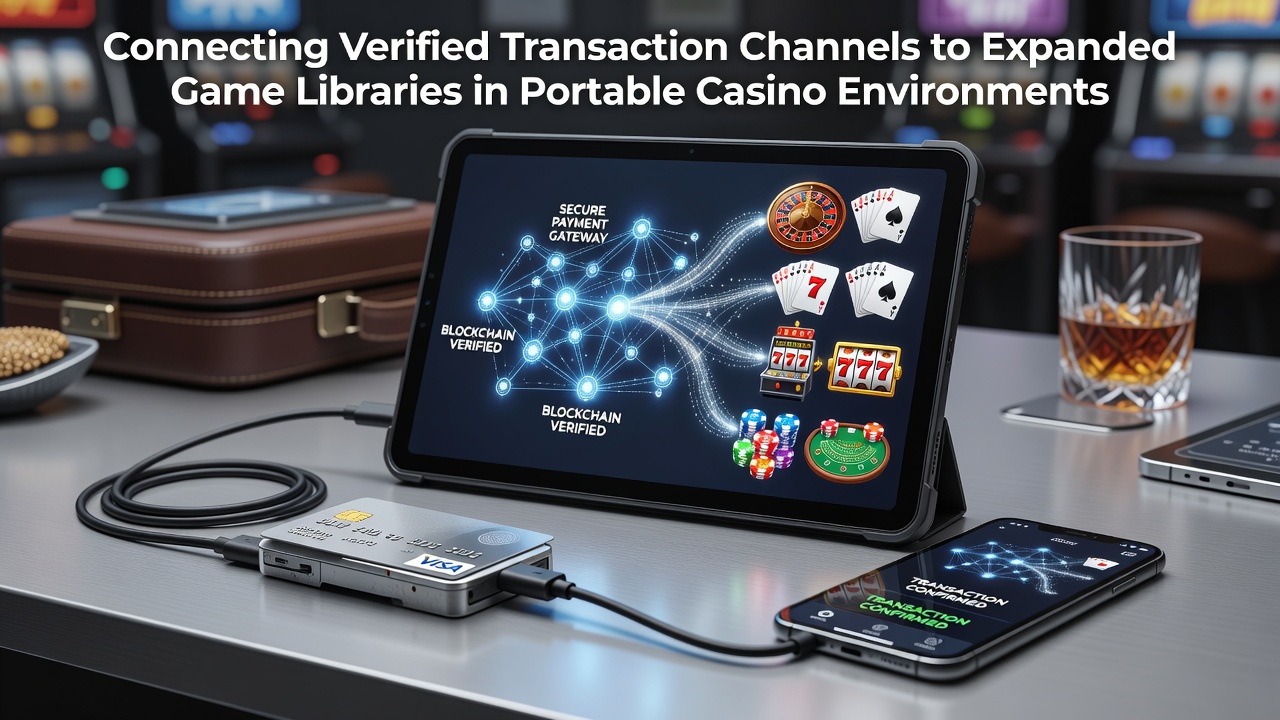
Portable casino environments rely on verified transaction channels to unlock access to expanded game libraries, and this connection has become a central feature of digital gaming platforms as of July 2026. Operators use secure payment systems to confirm user identities and process funds, which in turn satisfies regulatory requirements that govern the release of additional titles such as live dealer tables, progressive slots, and multiplayer card games. Data from industry reports indicate that platforms integrating these channels report higher compliance rates and broader content availability across iOS and Android devices.
Transaction Verification as a Gateway to Game Access
Verified transaction channels employ encryption protocols and identity checks that align with standards set by bodies such as the Malta Gaming Authority and the Nevada Gaming Control Board. These processes confirm that deposits originate from authorized sources, allowing operators to activate features that remain locked until verification completes. Observers note that once a transaction clears, users gain entry to sections of the library previously restricted by jurisdictional rules, including high-limit roulette variants and branded video poker collections.
Research conducted by the University of Nevada Reno Gaming Research Center shows that platforms employing multi-factor authentication for payments experience fewer interruptions when rolling out new game content. The study tracked user sessions across several mobile operators and found that verified channels reduced account suspension incidents by measurable margins, thereby sustaining continuous access to expanding libraries that now exceed several thousand titles per platform.
Regulatory Compliance and Library Expansion Patterns
Regulatory frameworks in multiple regions require transaction verification before certain game categories become available. In Canada, provincial regulators enforce similar standards through the Alcohol and Gaming Commission of Ontario, which ties payment authentication directly to the approval of live-streamed table games on portable devices. This linkage means that operators must demonstrate secure fund handling before they can add titles involving real-time dealer interactions or shared jackpot pools.
Industry associations such as the European Gaming and Betting Association publish annual summaries that detail how verified payment rails support the addition of region-specific content. Figures reveal steady growth in cross-device compatibility, with many operators reporting that integration of certified wallet services coincides with quarterly increases in available games. These expansions often include localized versions of existing titles alongside entirely new releases developed for mobile formats.
Technical Infrastructure Supporting Expanded Content
Backend systems that connect verified channels to game servers operate through APIs designed for low-latency data exchange. When a transaction receives confirmation, the system updates user profiles in real time, granting permissions that unlock additional reels, bonus rounds, and tournament entries. This architecture allows operators to maintain separate libraries for different regulatory zones while delivering seamless experiences to users who switch between devices during a single session.
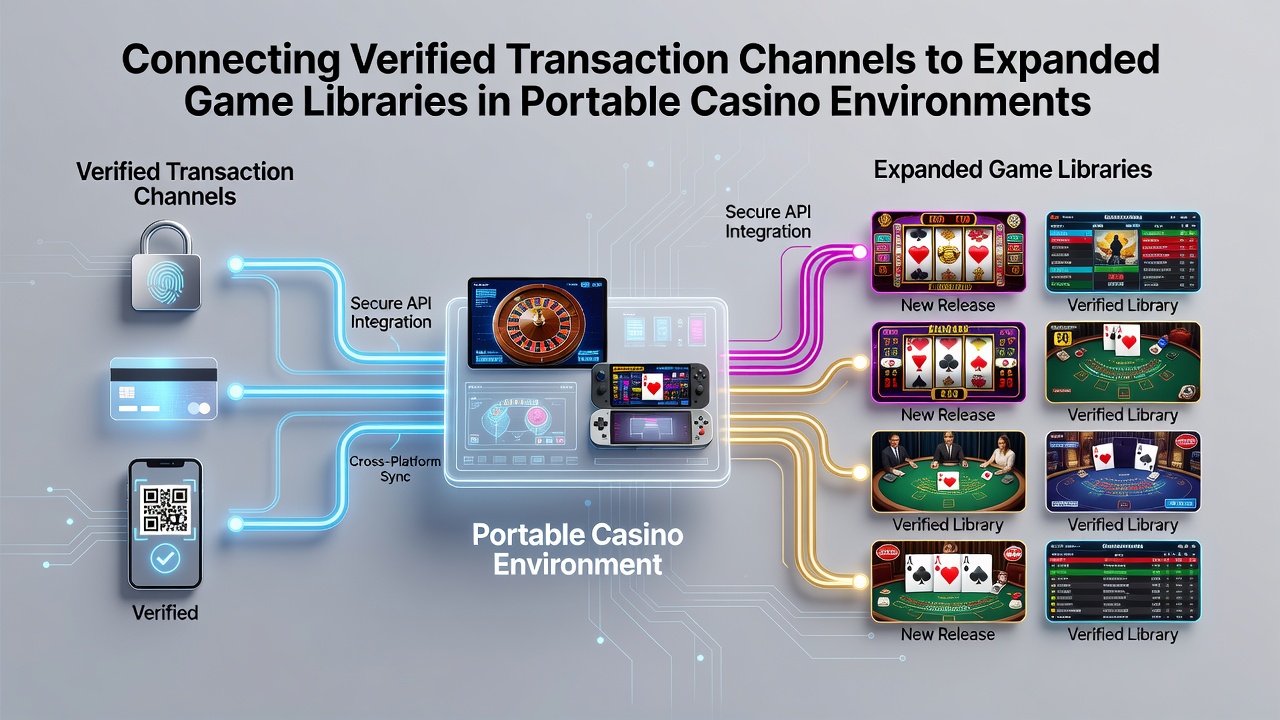
Engineers at major platform providers have documented cases where payment verification modules directly influence content distribution algorithms. In one documented rollout, an operator added over 200 new slot titles within weeks of upgrading its transaction verification layer, citing improved trust signals that satisfied both regulators and payment processors. Such examples illustrate how infrastructure investments translate into measurable growth in game libraries accessible via portable environments.
Regional Variations in Implementation
Different markets exhibit distinct patterns when linking verified channels to game access. Australian operators follow guidelines from state-based commissions that emphasize responsible gambling tools tied to deposit verification, which in practice determines when users can enter high-volatility game sections. Meanwhile, several U.S. states have adopted frameworks that require geolocation checks alongside payment authentication, creating layered systems that simultaneously expand and restrict library segments based on user location.
Academic analyses from institutions including the University of Sydney Business School highlight correlations between transaction security levels and the pace at which operators introduce new content. These studies emphasize that platforms maintaining rigorous verification standards encounter fewer delays when seeking approvals for additional game categories, resulting in more frequent updates to mobile libraries throughout 2026.
Conclusion
The relationship between verified transaction channels and expanded game libraries in portable casino environments rests on regulatory alignment, technical integration, and operational efficiency. Evidence from multiple jurisdictions demonstrates that secure payment pathways serve as prerequisites for content growth, enabling operators to deliver broader selections while meeting compliance obligations. As platforms continue to refine these connections, the scope of accessible games on mobile devices reflects ongoing advancements in verification technology and cross-regional regulatory coordination.