Smartphone App Features Determining Eligibility for Deposit-Free Table Game Sessions
Quinn Albrecht · Nov 1, 2026
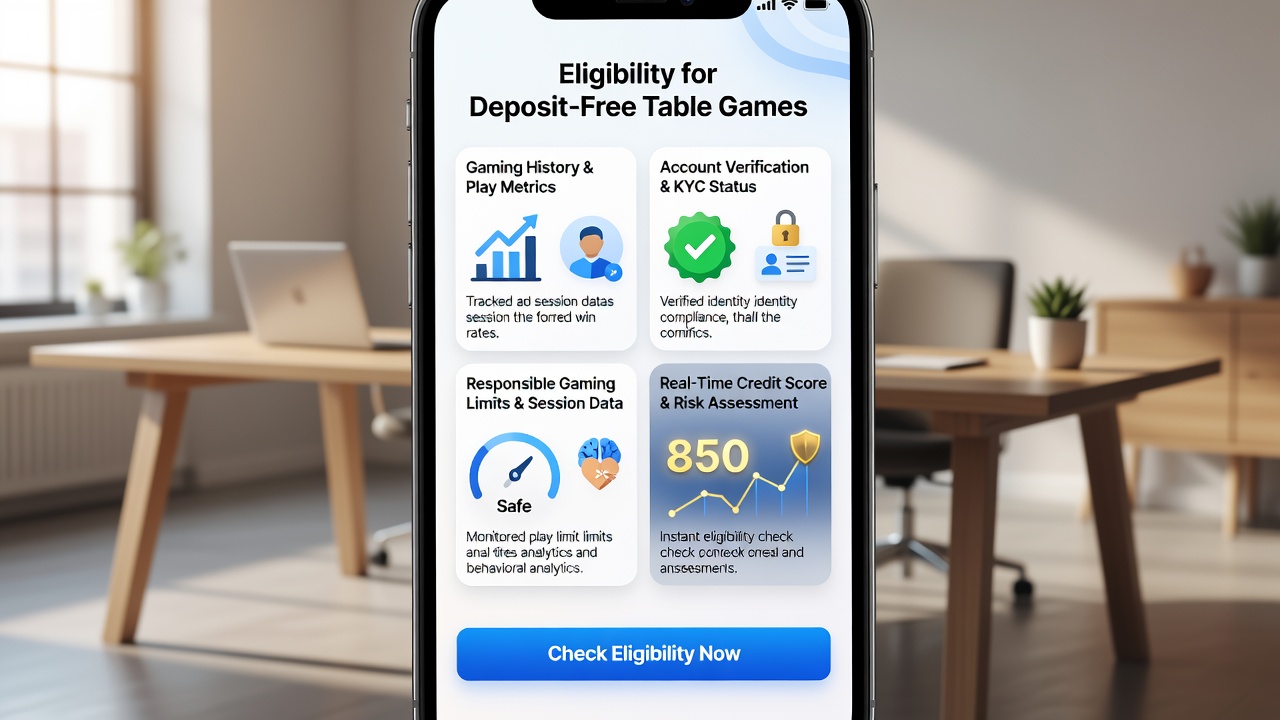
Smartphone App Features Determining Eligibility for Deposit-Free Table Game Sessions
Smartphone applications in the gaming sector rely on specific technical and compliance features to establish user eligibility for deposit-free table game sessions, and these elements combine account verification protocols with device-level permissions that platforms enforce uniformly across jurisdictions. Regulatory frameworks in multiple regions require operators to integrate identity confirmation tools before granting access to such promotional play, which means apps must incorporate secure document upload functions alongside biometric authentication modules to meet those standards.
Identity Verification Systems
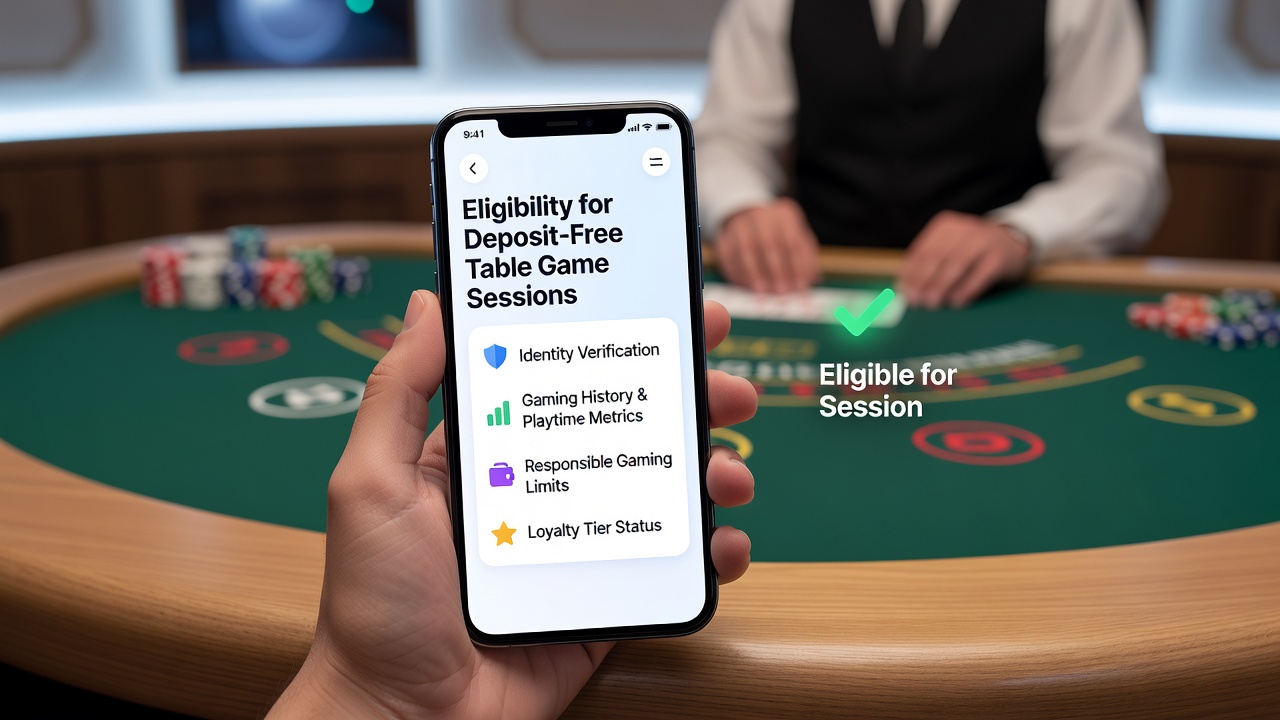
Operators activate deposit-free eligibility through layered identity checks that include government-issued ID scanning and facial recognition matching, and these processes run automatically within the app environment once users initiate a table game request. Data from the New Jersey Division of Gaming Enforcement shows that apps employing real-time document validation reduce unauthorized access attempts by measurable margins each quarter. Those who've studied mobile compliance patterns note that apps without integrated liveness detection often face higher rejection rates during eligibility reviews, which pushes developers to embed these capabilities as standard components.
Account age and transaction history further influence approval outcomes, because many platforms set minimum thresholds for prior activity before unlocking no-deposit table options. Researchers have observed that users who complete initial deposit cycles demonstrate higher retention metrics, prompting systems to flag newer accounts for additional review layers. This approach connects directly to risk assessment algorithms that evaluate play patterns against established benchmarks.
Geolocation and Regulatory Compliance Tools
Geolocation services form another core requirement, since apps must confirm users operate within approved boundaries before permitting deposit-free table game entry. Integrated GPS and IP cross-verification run continuously in the background, and this dual-check method satisfies rules set by bodies such as the Nevada Gaming Control Board. Apps that disable location services during session startup receive automatic blocks, which forces developers to prioritize permission prompts that guide users through activation steps without disrupting flow.
November 2026 brought updated mapping data integrations in several major apps, allowing more precise boundary detection near state lines where regulations differ sharply. Observers note these enhancements reduced false denials during peak evening hours when mobile traffic spikes. Cross-device syncing ensures that eligibility status remains consistent whether a user switches between phone and tablet mid-session.
Device Compatibility and Security Protocols
Technical specifications around operating system versions and security patches determine whether an app grants deposit-free table access, and platforms routinely block older builds that lack current encryption standards. Studies from academic sources on digital gaming infrastructure indicate that devices running unpatched systems trigger eligibility flags more frequently due to elevated vulnerability risks. App stores enforce these minimum requirements during updates, which means users must maintain current software to retain full feature availability.
Push notification permissions and background refresh settings also tie into eligibility because they enable real-time compliance alerts and session monitoring. Apps that cannot receive these signals often restrict table game options until settings align with platform expectations. One case where experts examined cross-platform performance revealed that consistent permission management correlated with smoother eligibility approvals across user bases.
Behavioral Analytics Integration
Behavioral tracking modules analyze session duration, navigation patterns, and interaction frequency to refine eligibility decisions, and these analytics feed into automated scoring systems that platforms adjust quarterly. Figures from industry reports show that accounts demonstrating steady engagement receive priority for deposit-free promotions compared with sporadic users. This data-driven method connects to broader responsible gaming initiatives that regulatory agencies monitor for compliance.
Payment method linkages, even when no actual deposit occurs, sometimes serve as secondary verification layers that apps require before table game unlocks. Systems cross-reference stored wallet details against known fraud databases, which adds another checkpoint without demanding immediate funding. Those who've reviewed platform updates note that this step became more common after 2025 security enhancements across multiple operators.
Conclusion
Smartphone app features that govern deposit-free table game eligibility center on verification, location accuracy, device security, and behavioral signals that operators combine into cohesive access controls. These elements evolve alongside regulatory updates and technological improvements, ensuring platforms maintain consistent standards while adapting to new device capabilities. Continued integration of advanced analytics and compliance tools supports broader industry efforts to balance access with oversight requirements.